How Live Betting Odds Work at Batery

Understanding Live Betting Odds at Batery

Live betting on baterybet.in moves much faster than pre-match betting because the price reacts to an event already in progress. A goal, wicket, service break or scoring run can change the odds within seconds. The same market can disappear briefly, reopen and display a completely different number.

This speed is the main attraction of in-play betting and also the main source of confusion. The player needs to read the current score, market and accepted price at the same time.

Why live markets stop and reopen

When a dangerous football attack develops, a cricket delivery is being settled or a tennis point reaches a critical stage, the sportsbook may temporarily suspend related markets.

The pause prevents bets from being accepted while the result of an important action is still unknown. Once the event state is confirmed, the market can reopen with new odds.

The price can change before acceptance

A player might tap a selection at 2.00 and see 1.90 in the slip a moment later. Depending on account settings, Batery may ask the player to accept the updated price before confirming.

Checking the final number matters because live markets can move several times in a short sequence.

Score and clock move together

A price is never based on the score alone. The amount of time remaining changes how much opportunity the trailing side has to recover.

In basketball, a ten-point deficit early in the game is very different from a ten-point deficit in the final minute. In cricket, the same required run rate means something different with ten wickets remaining than with two.

The stream may be behind the market

Television and internet streams can run several seconds behind the real event feed used by a sportsbook. Batery may therefore suspend or move a market before the viewer sees the reason on screen.

Do not assume the video feed gives a time advantage. The betting system often receives official data faster than a consumer stream.

Market knowledge matters more in play

The shorter decision window leaves little time to learn an unfamiliar handicap or total. Players who already understand the sport and market can read changing prices more comfortably.

Batery's live section gives access to many events, but the useful rule is simple: check the score, remaining time, selection and final accepted odds before confirming. In-play prices can be interesting because they reflect the match as it develops, but they remain estimates of uncertain outcomes.

A confirmation routine for fast odds

The live interface encourages quick decisions because prices refresh constantly, but a two-second pause before confirmation can prevent a wrong market or stake. This is especially useful on a phone where several selections may appear close together.

  • Read the current score and time remaining
  • Check the exact market and selection
  • Look at the final price in the slip
  • Confirm only after the accepted odds are clear

Players can also turn off automatic acceptance of odds changes when the setting is available. That forces the slip to show a new price for approval instead of accepting any movement. It adds one extra tap, but it keeps the final odds visible.

A useful habit is to watch one market for a few minutes before betting. This shows how often the price refreshes and how strongly it reacts to the event. The player then has a better sense of normal movement instead of treating every change as dramatic. That short observation period can be especially helpful in basketball, tennis and esports.

Comparing Matchups Using the Tournament Page Layout

For comparisons, https://baterybets-in.com/sports/cricket/tournament/2189 can act as the IPL overview where you scan fixtures and then drill into a matchup. The value of this layout in IPL 2026 is speed: you can compare consecutive games, check which teams are on short rest, and see whether a venue cluster might affect bowling freshness. Pair that with standings and NRR context and the preview becomes grounded in incentives. If markets are grouped by phase, it is easier to select a logical angle like powerplay runs or death-over wickets rather than forcing a generic “team wins” narrative. Simple verified inputs beat complicated theories that cannot be checked.

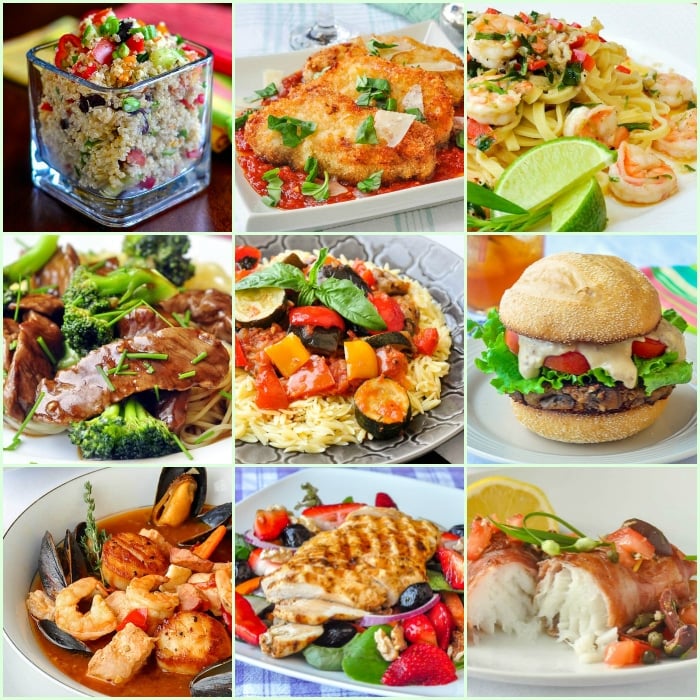
Delicious and Healthy Foods You Need to Try

Eating healthy doesn’t have to mean sacrificing taste. Around the world, there are countless dishes that combine nutrition with flavor, offering meals that are both satisfying and good for your body. From fresh vegetables to lean proteins and whole grains, the spinomenal slots options are endless.

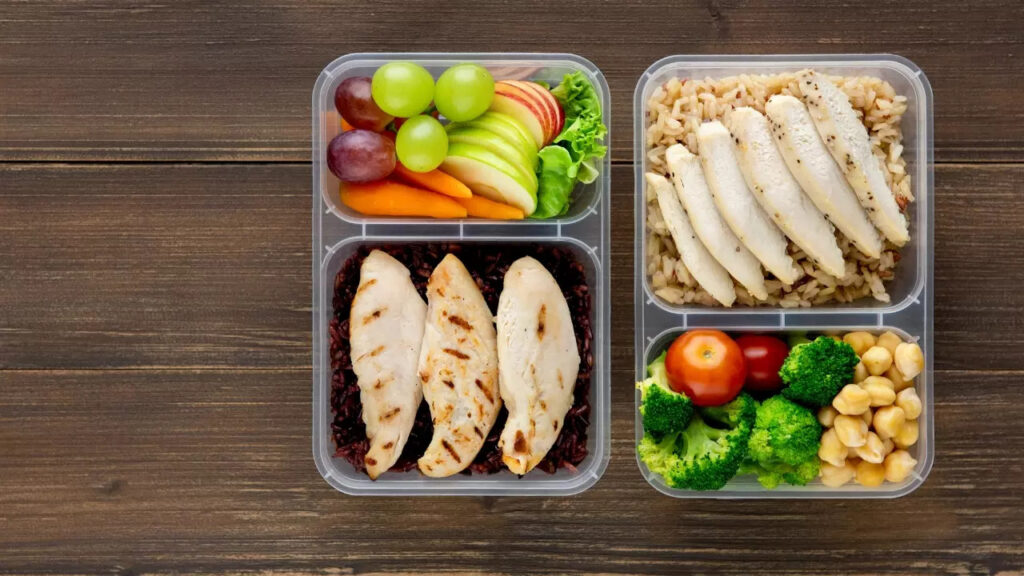
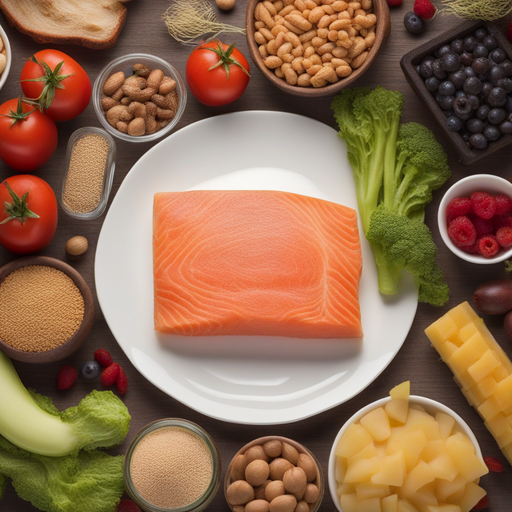
One great example is grain bowls. These often include a base of quinoa, brown rice, or farro, topped with a mix of vegetables, legumes, and lean protein like grilled chicken, tofu, or salmon. The combination provides complex carbohydrates, fiber, and essential vitamins, while the toppings add bursts of flavor through herbs, spices, and dressings made with olive oil or citrus.

Smoothie bowls are another tasty and nutritious option. Blended fruits like berries, mangoes, and bananas provide antioxidants and natural sweetness, while seeds such as chia or flax add healthy fats and fiber. A sprinkle of nuts or granola gives a satisfying crunch without adding processed sugar.

Mediterranean dishes also stand out for their health benefits. Meals like grilled fish with roasted vegetables, lentil salads, and hummus with whole-grain pita combine fresh ingredients with heart-healthy fats, lean proteins, and plenty of fiber. These dishes have been linked to better heart health and improved overall well-being.

Even traditional comfort foods can be made healthier without losing taste. For example, roasted vegetable lasagna with whole-grain noodles, or baked sweet potato fries seasoned with herbs instead of salt, provide familiar flavors while boosting nutrition.

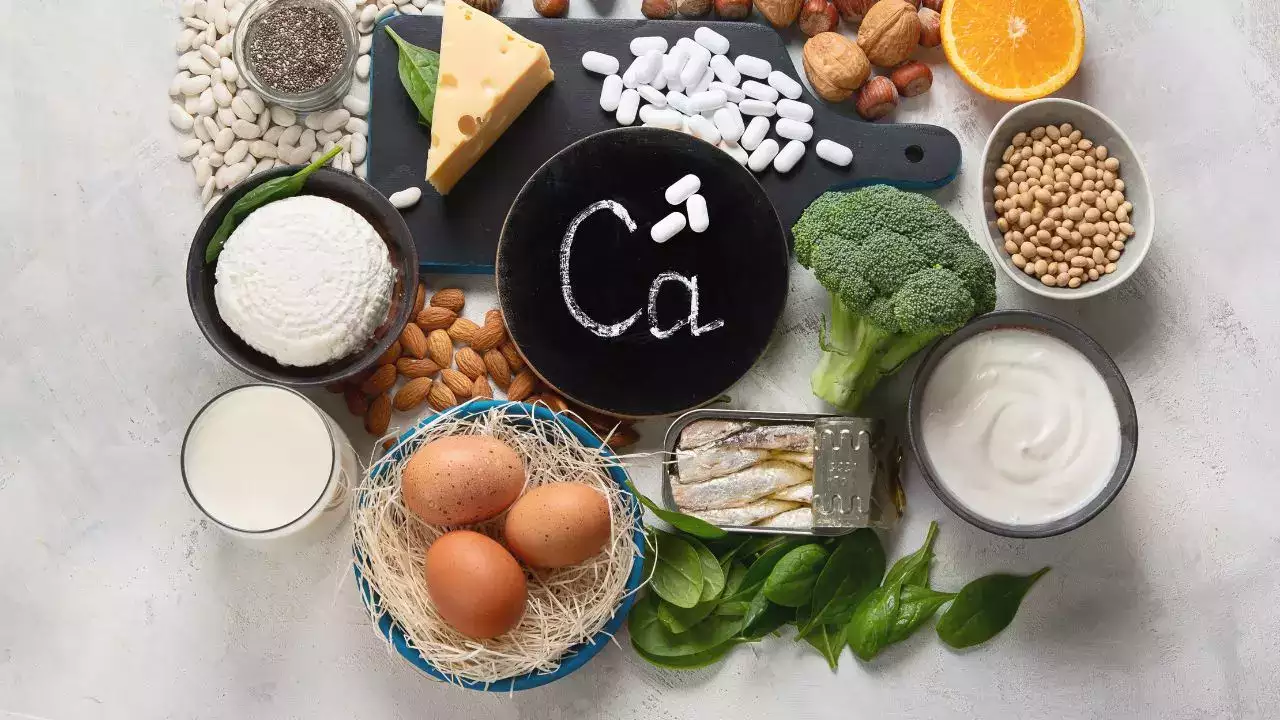
Foods that can naturally fix sluggish bone health

If you are experiencing joint pain or difficulty walking, it may be a sign of poor bone health and decreasing bone density. Fortunately, there are simple dietary changes that can help improve bone health. However, it’s important to remember that improving bone health requires a combination of a healthy diet, lifestyle changes, and physical activity. Here are some foods that can naturally boost bone health:

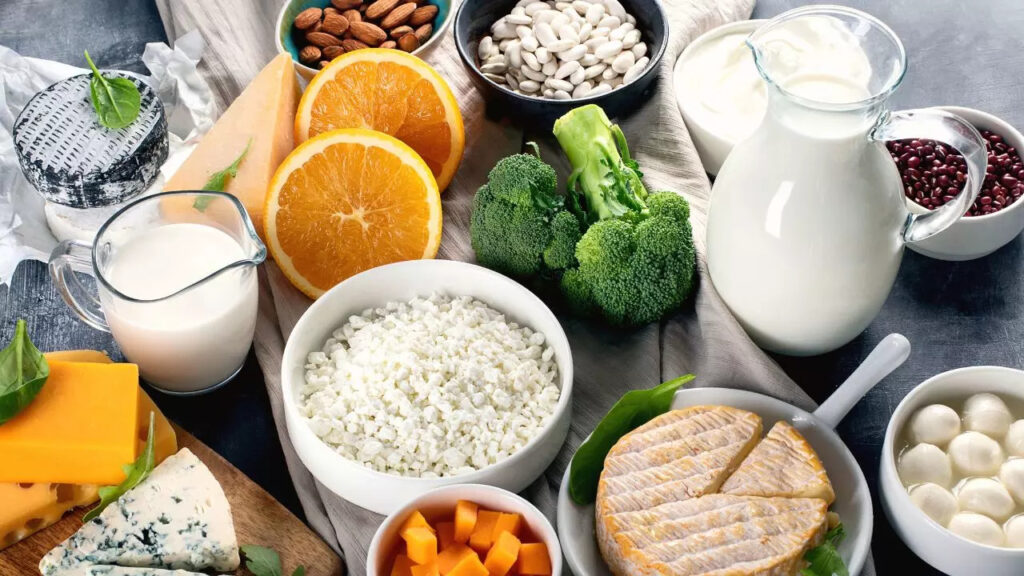
1. Dairy products such as milk, yogurt, and cheese are rich sources of calcium, which is crucial for strong bones. Consuming these foods in moderation can naturally improve bone density.

2. Leafy greens like kale, collard greens, and spinach are high in calcium and other minerals like magnesium, which are beneficial for bone health.

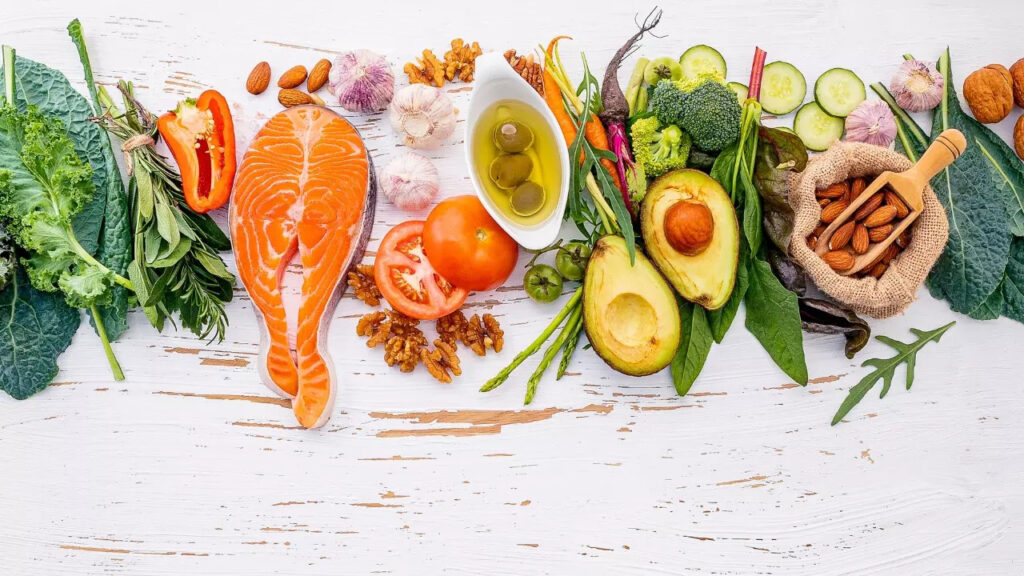
3. Fatty fish like salmon and sardines are not only high in calcium, but also vitamin D, which aids in calcium absorption. Additionally, they contain omega-3 fatty acids that reduce inflammation and support bone health.

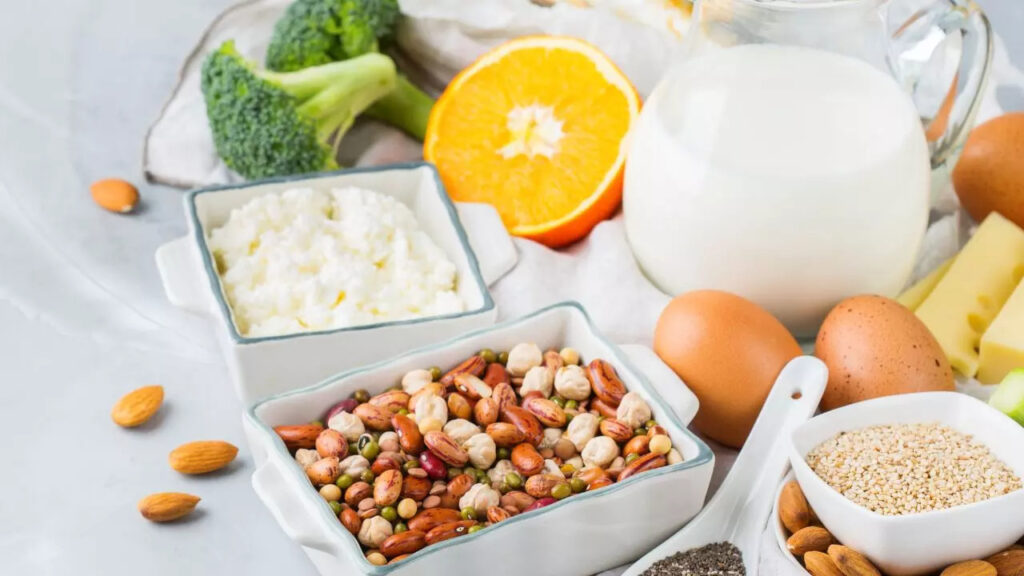
4. Nuts and seeds like almonds, chia seeds, and sesame seeds are good sources of calcium, phosphorus, and magnesium.

5. Many foods are fortified with calcium and vitamin D, such as fortified orange juice, cereals, and plant-based milk alternatives like almond milk and soy milk.

6. Beans, lentils, and chickpeas provide calcium, magnesium, and other nutrients that support bone health.

7. Whole grains like brown rice, quinoa, and whole wheat contain magnesium and other vitamins and minerals that are important for bone health.

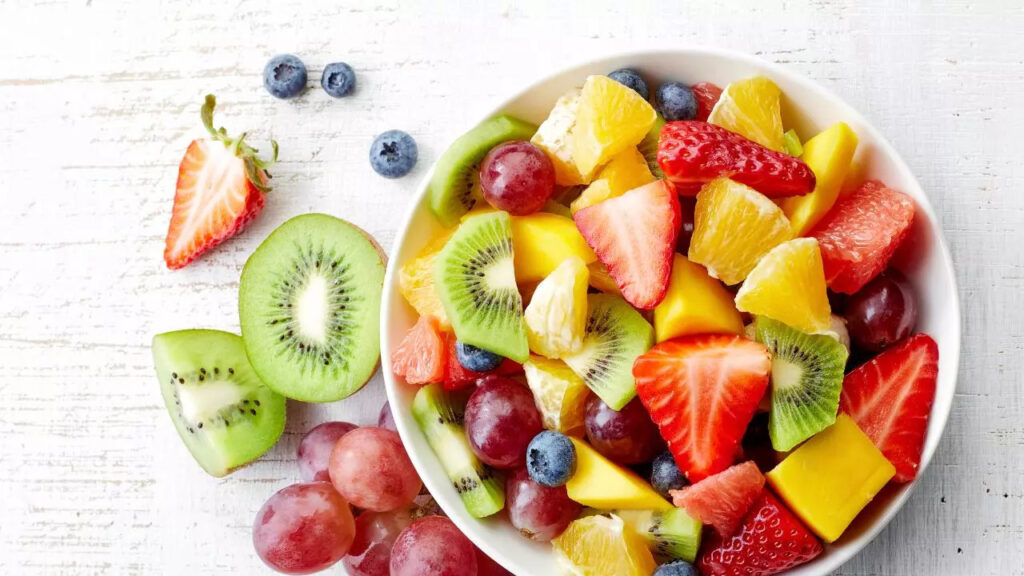
8. Fruits like oranges, kiwi, and strawberries are rich in vitamin C, which plays a role in collagen production and is essential for bone health.

9. Vegetables like broccoli, Brussels sprouts, and sweet potatoes contain nutrients that are beneficial for bone health, in addition to leafy greens.

10. Lean proteins found in lean meats, poultry, and tofu provide amino acids necessary for collagen production and overall bone health.

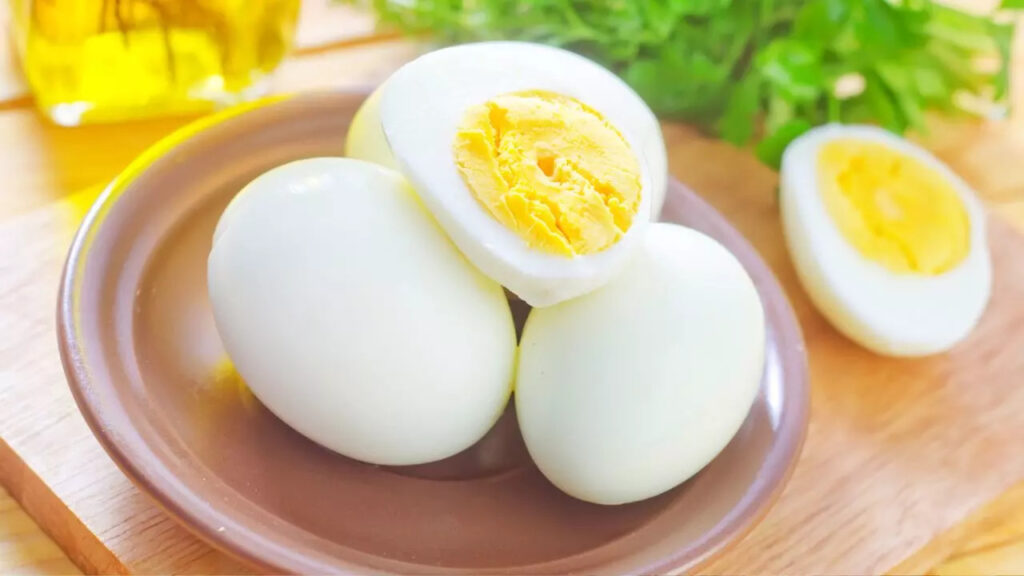
11. Eggs contain vitamin D, which is crucial for calcium absorption. The yolk is the part that contains vitamin D.

12. Prunes, also known as dried plums, are high in vitamin K and antioxidants that can benefit bone health.

13. Homemade bone broth is rich in minerals like calcium, magnesium, and phosphorus, which are beneficial for bone health.

14. Some studies suggest that the antioxidants in green tea can have a positive impact on bone health.

15. Fermented foods like yogurt, kefir, and sauerkraut contain probiotics that enhance nutrient absorption, including calcium.

Fruits that won’t mess up your keto diet

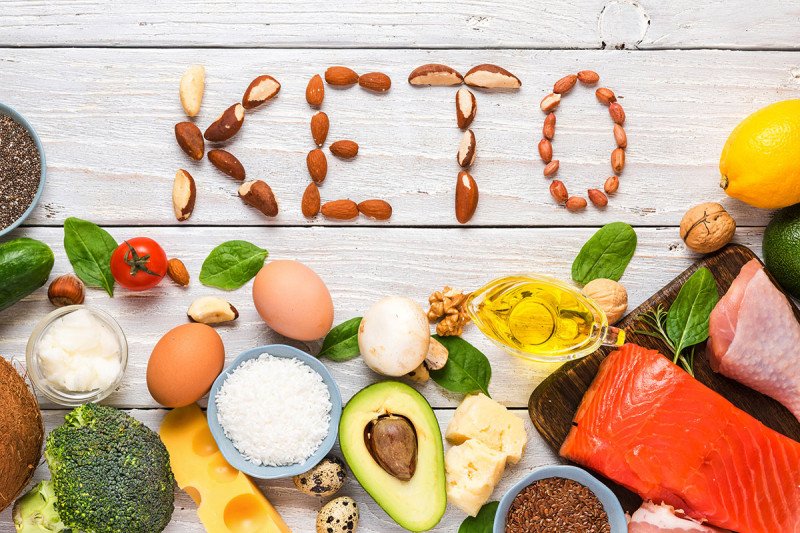
People following a Ketogenic diet often rely on fats for fuel, but did you know that you can also enjoy certain fruits while staying on track with your dietary goals? The Ketogenic diet focuses on consuming high amounts of healthy fats and low levels of carbohydrates, which helps the body burn fat for energy. While fruits are typically limited on a keto diet due to their natural sugar content, there are some fruits that can be enjoyed in moderation due to their lower carbohydrate levels.

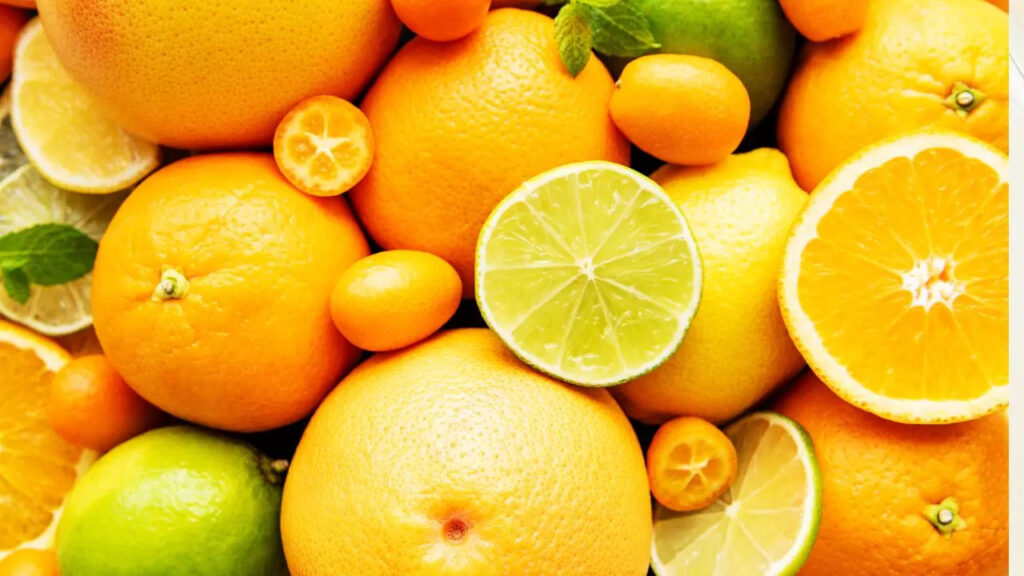
Citrus fruits, such as lemons, are a great option for those on a keto diet. They are low in carbs and packed with fiber and vitamin C. Citrus fruits can be added to salads or enjoyed as a healthy snack.

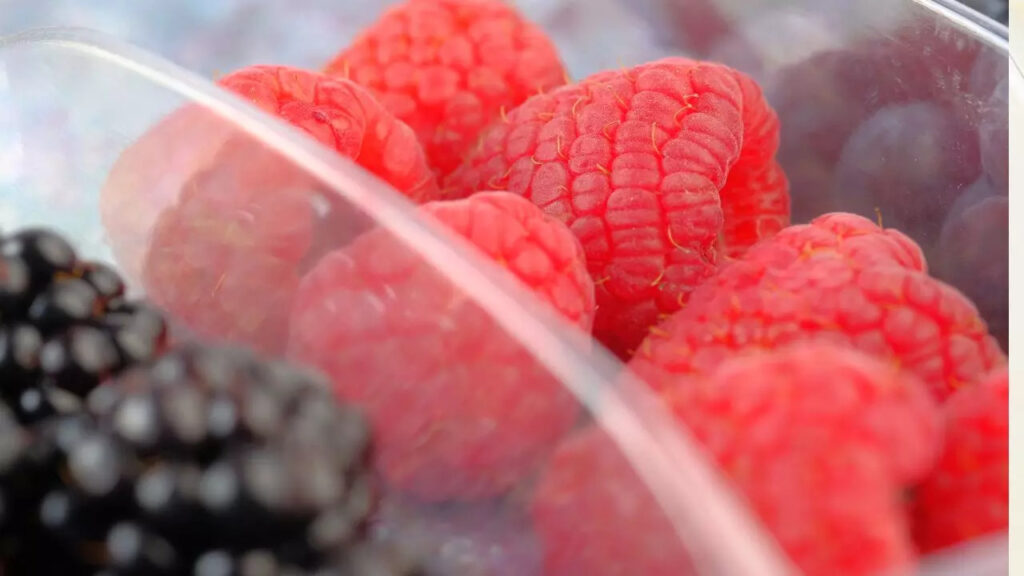
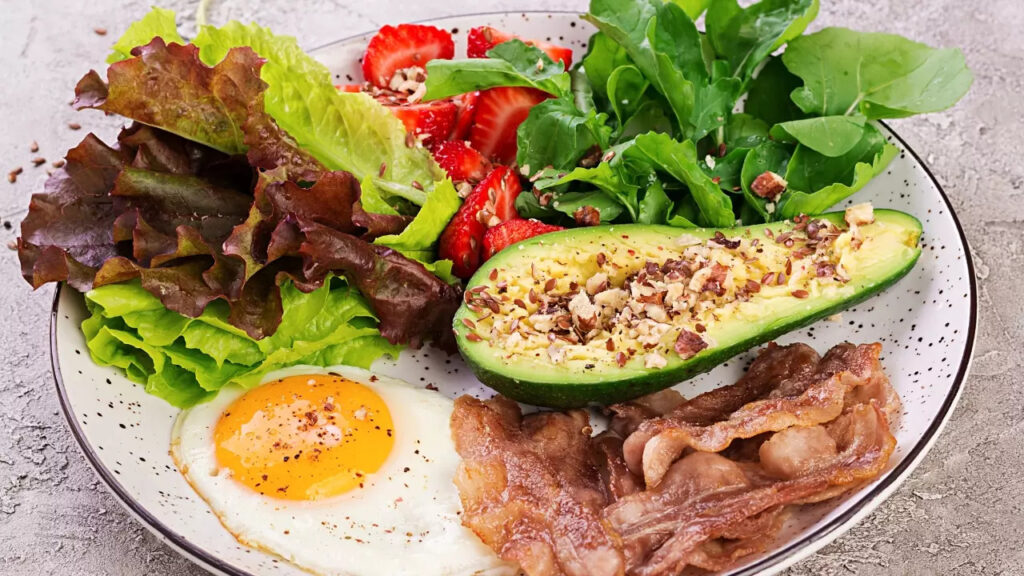
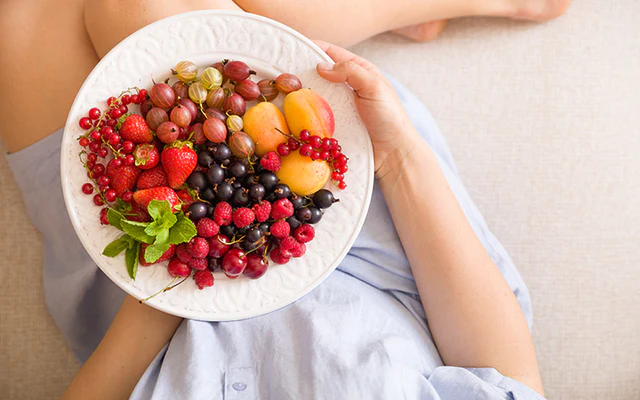
Berries are also a keto-friendly fruit choice. They have a relatively low carbohydrate content and are high in antioxidants. Berries are also a good source of vitamins and minerals, providing nourishment during the diet.

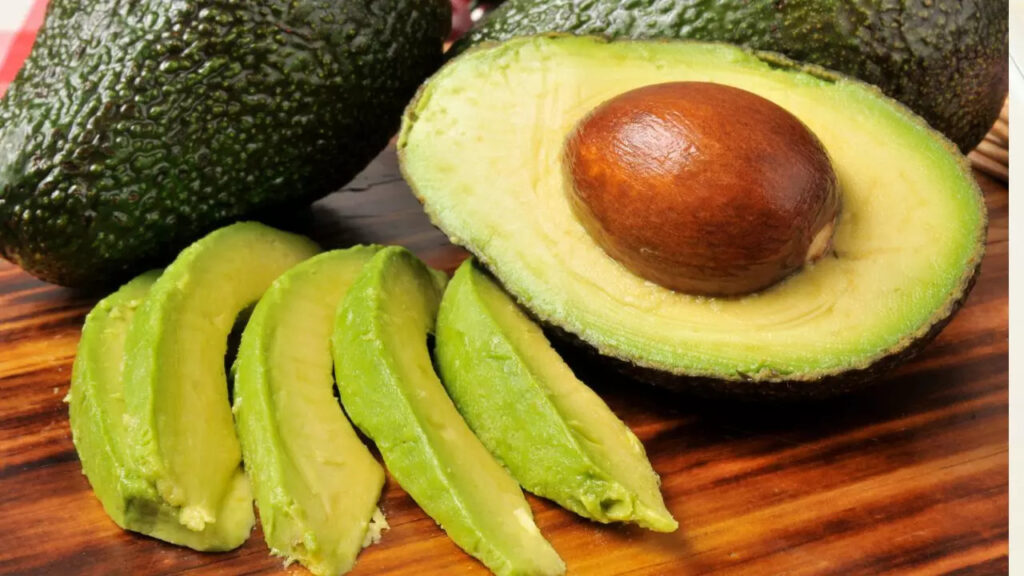
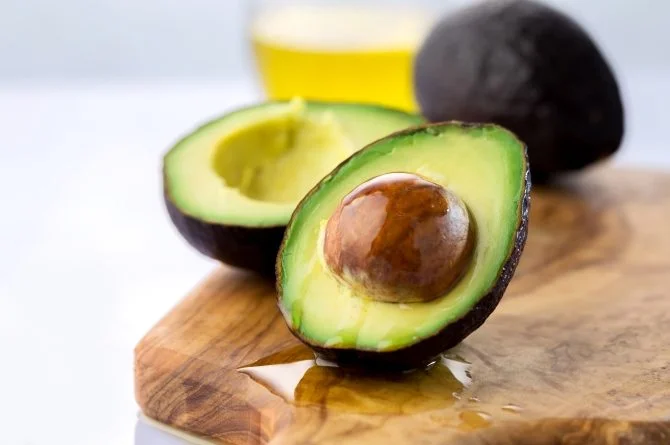
Avocados are a perfect choice for those following a keto diet. They are high in healthy fats, low in carbs, and also contain protein. Avocados are also rich in potassium and fiber, adding to their nutritional value.

Olives, despite being considered a fruit, have very low carbohydrate content and are high in healthy fats. They can be enjoyed as a snack or added to salads and various dishes.

Tomatoes have low levels of carbohydrates and can be included in a keto diet. They provide vitamins and minerals, including vitamin C and potassium.

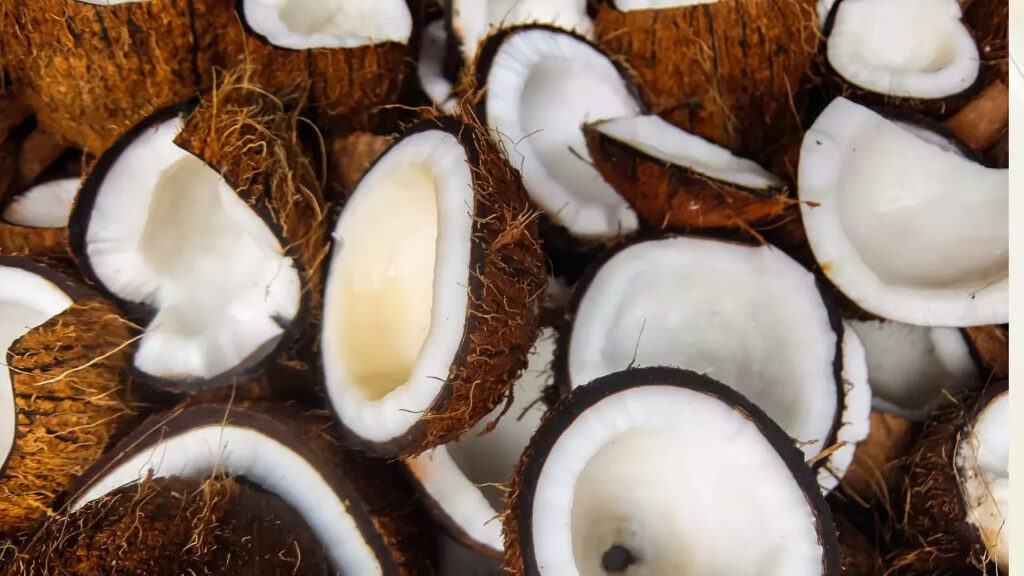
Coconut products, such as coconut meat, coconut oil, and coconut milk, are all keto-friendly options. They are high in healthy fats and low in carbs, making them a great addition to the diet.

By incorporating these fruits into your Ketogenic diet, you can enjoy their nutritional benefits without compromising your dietary goals.

Why avocado is ultimate first food for weaning babies

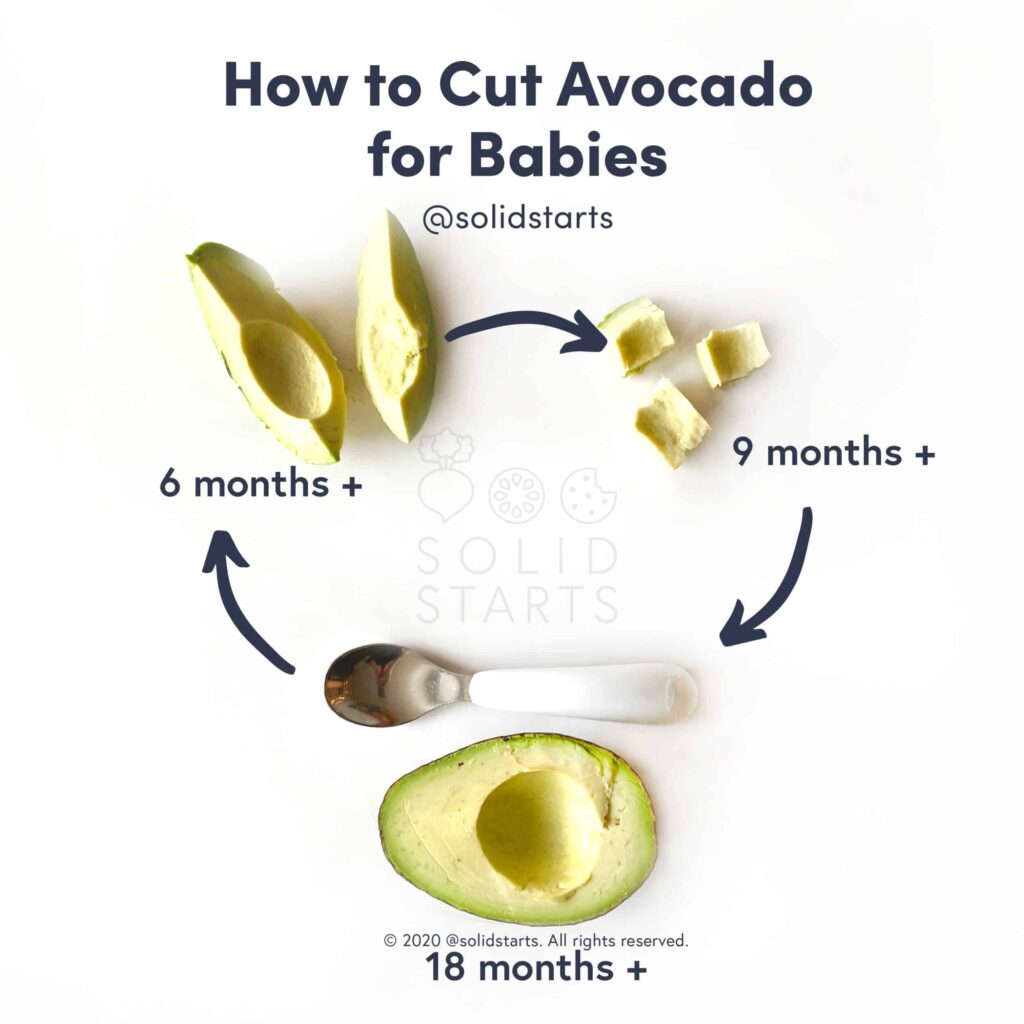
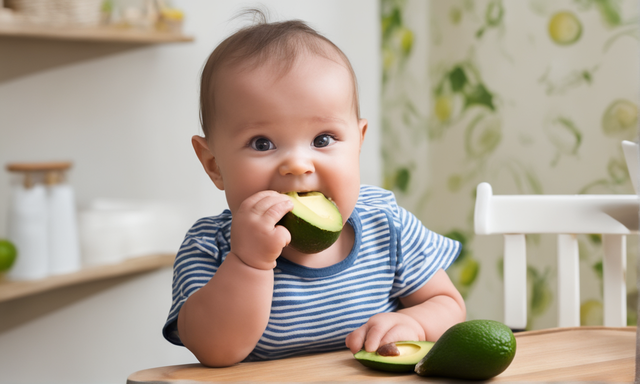
According to experts, avocado is recommended as an ideal first food for weaning babies. This is not only because it is rich in vitamins, but also because eating avocado slices can be a fun and engaging experience for children. Hena Nafis, a consultant nutritionist and expert in childhood obesity and weight management, explains that offering avocado as finger foods can provide a sense of independence for children and help them develop important motor skills such as hand-eye-mouth coordination. Consequently, the World Avocado Organization reached out to experts as part of its educational campaign in India to highlight the benefits of avocados for babies.

One of the unique aspects of avocado is its high content of healthy monounsaturated fatty acids, which play a crucial role in promoting the brain, nerve, and eye health of infants. Avocados are also rich in vitamins A, D, E, and K, which are essential for a child’s growth and development. Folate, found in avocados, supports healthy cell development, while vitamin E aids the immune system, heart, red blood cells, skin, and hair.

Additionally, avocados provide a significant amount of vitamin K, which is necessary for blood clotting and bone formation. Moreover, this nutrient-dense green fruit is also a great source of vitamin C, B6, B1, B5, B2, and B3.

In fact, experts argue that avocados contain more potassium than bananas and are also a good source of magnesium. Potassium is vital for various bodily functions, including a healthy nervous system, muscle function, immune system, and heart health. Furthermore, the high fiber content of avocados can support a baby’s digestive system.

To determine if an avocado is ready to eat, the World Avocado Organization advises gently squeezing it. If the avocado gives in slightly to the pressure, it should be ripe and ready to eat. While ripe avocados may be darker in color, this can vary, so it is best to assess ripeness based on the avocado’s texture as well as its color.

What is ‘Low-fat diet’ and foods to eat and avoid

According to a study published in the journal PLoS One, the global obesity rate is rapidly increasing. It is projected that by 2040, more than 30% of males and 27% of females will be overweight, with 9.5% of males and 13.9% of females falling into the obese category. Additionally, a recent report by the World Obesity Federation indicates that by 2035, more than half of the world’s population will be overweight or obese, with the current rate already at 38%.

In light of these alarming statistics, it is crucial for us to seek ways to reduce weight and adopt healthier lifestyles. One major factor contributing to weight gain is our diet, making it important to carefully examine the foods we consume. Many individuals turn to dietary choices that promote overall health and well-being. However, it is crucial to understand that most diets provide short-term results and extreme weight loss, leading experts to advise against relying solely on dieting for weight loss. Each individual is unique, and diets are designed for specific purposes.

Among the various diets available, the “Low-fat diet” has gained significant attention due to its potential benefits. As we celebrate National Nutrition Week, let’s delve into the details of the Low-fat diet and how it can aid in weight loss, including which foods to include and avoid.

The Low-fat diet is a nutritional plan focused on reducing the consumption of fats, particularly saturated and trans fats. Its primary objective is to limit calorie intake from fat, which aids in achieving and maintaining a healthy body weight. This approach has been associated with numerous health benefits, including a reduced risk of heart disease, stroke, and specific types of cancer.

To follow a Low-fat diet, it is important to include fresh fruits and vegetables as they are low in fat and rich in essential vitamins, minerals, and dietary fiber. They should constitute a significant portion of this diet. Additionally, opting for lean sources of protein like skinless poultry, fish, beans, and legumes is recommended. These protein-rich foods contain lower amounts of saturated fats compared to red meat. Likewise, incorporating whole grains such as brown rice, quinoa, whole wheat pasta, and oats into your meals is beneficial due to their abundance of complex carbohydrates and fiber.

In addition to these foods, low-fat or fat-free dairy products like skim milk, low-fat yogurt, and reduced-fat cheese can be included in the Low-fat diet. These dairy options provide essential nutrients without the saturated fat found in full-fat equivalents. Sources of healthy fats like avocados, olive oil, and fatty fish (e.g., salmon, mackerel) can also be consumed in moderation as they are beneficial for heart health. It is important to consume nuts and seeds in moderation due to their calorie density, choosing unsalted and raw varieties.

In conclusion, with the rising rates of obesity, it is imperative to prioritize weight loss and embrace healthier lifestyles. While the Low-fat diet offers potential benefits, it is essential to personalize dietary choices according to individual needs. By adopting a Low-fat diet and incorporating its recommended foods, individuals can work towards achieving their weight loss goals while promoting overall well-being and health.

When following a low-fat diet, it is important to reduce or eliminate foods that are high in saturated and trans fats. These foods include fried foods, fatty cuts of meat, butter, lard, and processed snacks like chips and baked goods. It is also advisable to limit or reduce the consumption of full-fat dairy products such as whole milk, regular cheese, and cream.

In addition to these specific food choices, it is generally recommended to limit the intake of processed foods as they often contain hidden fats and additives. Careful reading of labels is necessary to identify and control the consumption of packaged snacks, fast food, and pre-packaged meals.

Foods that are high in sugar, as well as sugary beverages, should be completely avoided as they can lead to weight gain and other health issues. Alcoholic beverages and sugary drinks provide minimal nutritional value and are often packed with calories. If it is not possible to completely avoid these beverages, it is advisable to reduce their quantity and choose healthier alternatives such as water or herbal teas.

Schools in DK district insist parents give healthy tiffin box

Schools in coastal districts are urging parents to send nutritious food for their children’s tiffin boxes, as they have observed that many of them are packed with unhealthy options like pizzas, burgers, french fries, instant noodles, bakery items, sausages, and other snacks. During meetings and through school apps, the school management has been reminding parents to include alternatives such as home-cooked food and fruits. In 2016, the Central Board of Secondary Education (CBSE) issued a circular instructing teachers to inspect students’ tiffin boxes for unhealthy food.

Surekha Bhat, the principal of Canara High School, emphasized the importance of packing only healthy or home-cooked food. She underlined that if a child has had a good breakfast, parents should provide fruits as snacks in their tiffin boxes. If the child missed breakfast, the same should be packed for the tiffin.

Sr Melissa, the principal of Mount Carmel Central School, mentioned that at the start of the academic year, during orientation sessions, parents are informed about the importance of sending healthy options like home-cooked food and fruits. Junk food is strictly prohibited.

Reshma Nayak Sujir, the principal of The Bharat Academy, Kuntikan, shared that students also play a role in educating their parents about healthy food choices. In school, children are educated about the difference between healthy and unhealthy foods. If parents pack junk food, the children inform them that it is not right. Teachers also monitor the food children bring to school, and if any junk food is found, they have discussions with parents and provide suggestions for healthy alternatives. Moreover, the school has a cafeteria that serves nutritious meals. It has been observed that children who consume more junk food tend to have behavioral problems compared to those who consume healthy food.

A parent with children studying at a private school in Moodbidri revealed that the school regularly sends reminder notes to parents every week, emphasizing the importance of packing healthy food. The school noticed that higher grade students, in particular, have been bringing instant noodles and other junk items in their tiffin boxes.

Fruits which are best for a healthy skin

Achieving and maintaining healthy skin is a goal that many people strive for. While skincare products and routines are important, it’s crucial not to overlook the impact of nutrition. The saying “you are what you eat” rings true when it comes to the condition of your skin. Fruits, which are packed with vitamins, minerals, antioxidants, and hydration, can be particularly beneficial for promoting healthy skin. Here are some fruits that are considered best for achieving and maintaining healthy skin.

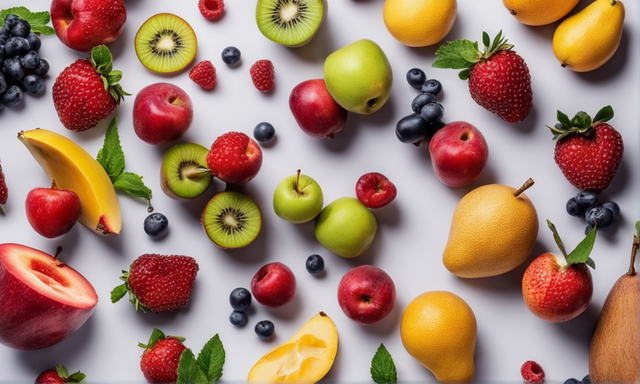
Berries: Blueberries, strawberries, raspberries, and blackberries are rich in antioxidants, especially vitamin C and anthocyanins. Antioxidants fight against free radicals, reducing oxidative stress and inflammation in the skin. This can help prevent premature aging and maintain a youthful appearance.

Citrus Fruits: Oranges, grapefruits, lemons, and limes are abundant in vitamin C, a powerful antioxidant that aids in collagen production. Collagen is crucial for skin elasticity, reducing the appearance of fine lines and wrinkles.

Papaya: This tropical fruit contains an enzyme called papain, which is known for its exfoliating properties. Regular consumption of papaya can help remove dead skin cells, resulting in a brighter complexion.

Watermelon: As its name suggests, watermelon is an excellent hydrator due to its high water content. Staying hydrated is essential for plump, youthful-looking skin.

Avocado: Rich in healthy fats, avocados help moisturize the skin from the inside out. They also contain vitamin E, which protects the skin from oxidative damage, supporting overall skin health.

Kiwi: Kiwi is a powerhouse of vitamin C, aiding in collagen synthesis and contributing to the skin’s firmness. It also contains vitamin E and vitamin K, which help maintain skin health.

Pomegranate: Packed with antioxidants and polyphenols, pomegranates can improve skin texture and elasticity while providing anti-inflammatory benefits.

Bananas: Bananas are a good source of vitamin B6 and vitamin C, both of which play a role in maintaining skin integrity. They also contain manganese, which supports collagen production.

Mango: High in beta-carotene and vitamin A, mangoes promote skin cell regeneration and contribute to a glowing complexion.

Apples: Apples contain quercetin, an antioxidant that combats inflammation. They also provide dietary fiber, which aids digestion and indirectly impacts skin health.

Grapes: The resveratrol found in grapes has been linked to various skin benefits, including protection against UV damage and the promotion of collagen production.

Tomatoes: Tomatoes are rich in lycopene, an antioxidant that may help protect the skin from sun damage. They also contain vitamin C, which supports collagen formation.